(206) 467-0701

How Much Does an Ambulance Ride Cost in Seattle?
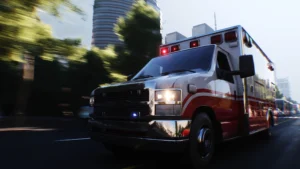 In Seattle, an ambulance ride generally ranges from $1,000 to $3,000, depending on the level of care, distance traveled, and services provided during transport. Basic Life Support trips tend to fall on the lower end of that range, while Advanced Life Support transports often cost more due to specialized equipment, medications, and paramedic-level care.
Basic Life Support (BLS) Ambulance Services
Basic Life Support covers non-emergency and lower-acuity medical transports. A BLS ambulance is staffed by emergency medical technicians who can provide oxygen, basic wound care, splinting, and vital sign monitoring. These trips are common for patients who need medical transport but are stable enough that advanced interventions are not required during the ride.
Advanced Life Support (ALS) Ambulance Services
Advanced Life Support is provided by paramedics trained to deliver a higher level of emergency care during transport. ALS ambulances are equipped with cardiac monitors, IV fluids, advanced airway tools, and a variety of emergency medications. These units are dispatched for situations such as heart attacks, strokes, serious trauma, and other emergencies where rapid intervention can improve outcomes.
Factors That Influence the Cost of Ambulance Rides in Seattle
Ambulance bills are not flat-rate charges. Several components get added together to arrive at the final amount, and each one can raise or lower the total depending on the circumstances of the call:
- Level of Care: BLS and ALS have different base rates.
- Mileage: Each loaded mile adds to the total.
- Medications administered: Drugs given during transport are billed separately.
- Supplies used: Items like bandages, oxygen, and IV kits.
- Response time of day: Some services bill more after hours.
- Provider type: Public, private, or hospital-based services.
- Insurance coverage: Out-of-network transports typically cost more.
- Distance to hospital: Longer trips mean higher mileage charges.
- Time on scene: Extended care before transport can add charges.
- Financial assistance: Income-based waivers or reductions may be available.
- No transport treatment: Care provided without a ride may still generate fees.
Every ambulance bill is itemized, so reviewing the charges line by line can help you spot errors or duplicate fees. If something looks off, you have the right to request an itemized statement and dispute specific charges with the billing provider before paying.
Costs of an Ambulance Ride in Seattle
Ambulance billing in the Seattle area varies by provider and region of the city. Bellevue, for example, publishes a BLS transport base rate of $950, plus $15 per mile. This does not include the services of a “medic.” Rates differ across King County agencies and are updated periodically, so it’s worth confirming the current fee schedule with the specific provider that transported you.
The Seattle Fire Department began billing for BLS transports in April 2025 in limited circumstances when its contracted provider, AMR, is unavailable. In those cases, billing goes to the patient’s insurance, Medicare, or Medicaid. Patients without coverage can apply for financial assistance. Regardless of provider, Medicare and Medicaid patients are billed according to federal reimbursement rates.
Do I Owe Ambulance Costs if I Was Injured in an Accident?
 When someone else’s negligence caused your injuries, the ambulance bill becomes part of the medical expenses you may be able to recover from the at-fault party. Injury victims can pursue reasonable medical costs, including emergency transport, as part of their personal injury damages. In Seattle, ambulance fees are a routine part of the damages calculation in cases involving:
- Car accidents
- Commercial vehicle and truck accidents
- Rideshare collisions
- Pedestrian and bicycle accidents
- Motorcycle crashes
- Slip and fall incidents
- Construction site injuries
- Dog bites
- Premises liability claims
- Boat and jet ski accidents
- Defective product injuries
Even if you are still responsible for the bill in the short term, your insurance, personal injury protection coverage, or a settlement from the at-fault party may eventually cover the cost. Washington drivers who carry PIP coverage may be able to use those benefits to pay ambulance bills while their injury claim moves forward, which keeps the bill from going to collections during the case.
Under RCW 4.16.080, you generally have three years from the date of your injury to file a lawsuit. Waiting too long can eliminate your right to recover, so starting the process as soon as possible matters.
Talk to Our Seattle Personal Injury Lawyers About Your Ambulance Bills
If you were injured in an accident and have ambulance bills piling up, Dean Standish Perkins & Associates is ready to help. Our boutique King County firm has 39 years of personal injury experience, and we move quickly because we know waiting costs you. We handle communications, preserve evidence, and calculate exactly what your claim is worth before you agree to anything. We are a small team by design, which means you get real attention, real answers, and people who genuinely listen.
Call (206) 467-0701 or connect with us online to schedule your free case review. You can also learn more about how we approach Seattle personal injury claims.

1495 NW Gilman Blvd.
Suite 11
Issaquah, WA 98027
Get Directions
Though our office is located in Issaquah, we accept cases throughout WA
Call Now