On Behalf Of Dean Standish Perkins & Associates
Feb 05, 2018
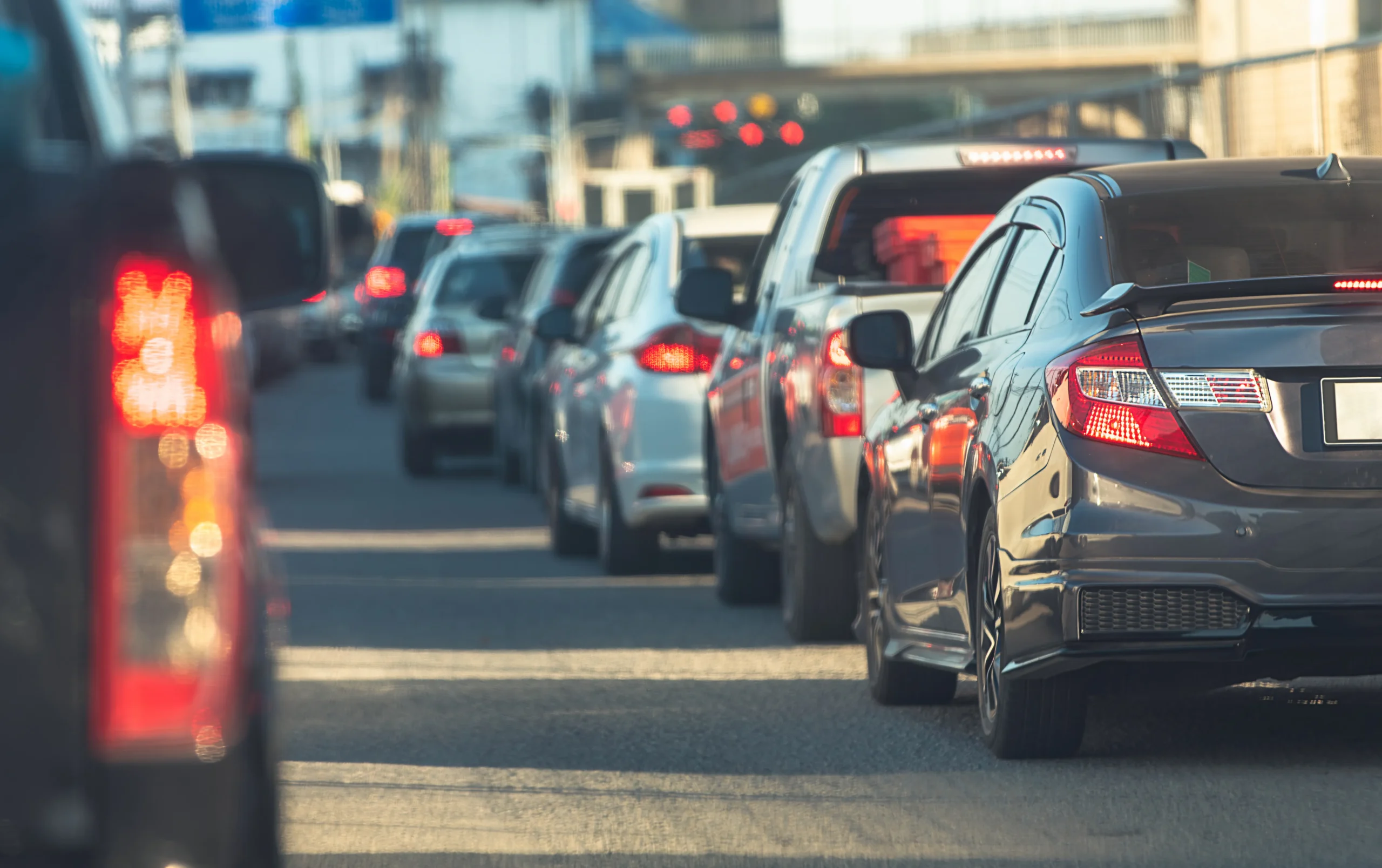
The horn is one of the earliest automobile safety features in history, but it might also be one of the most abused. Honking can help produce a sound loud enough to alert other drivers to potential dangers. However, it can create major problems if not used as intended.
A honk can protect you from danger if you suspect another driver failed to check their blind spot when changing lanes, for example. You can also use the horn if your tires are sliding on ice or your brakes aren’t working properly, which may allow other people on the roadway to evade an accident.
On the other hand, drivers may be tempted to honk at slow drivers. Horn rules may vary state-to-state, but according to Washington law, you may only honk “when reasonably necessary to ensure safe operation,” which does not include irritation. It may be a way to express frustration, although honking probably won’t motivate the other driver to speed up.
In fact, honking in any situation other than an emergency could even create an unsafe situation. Another driver may perceive your honk as a sign of aggression and become frightened, confused, or angry. This could cause a road-rage incident, which sometimes leads to risky driving and even intentional collisions.
However, you should not feel afraid to honk in an emergency situation. Although a honk may offend another driver, it is far better to hurt their feelings than allow an accident to occur. The horn is a safety feature that has prevented crashes through the ages and, when used properly, can help you stay safe on the road.
While overuse of your car horn can lead to confusion or even conflict, using it correctly remains an important tool for preventing accidents. Staying mindful of when and how to honk helps maintain safety and courtesy on the road. In emergencies, don’t hesitate to use your horn; it’s designed to save lives, not just signal annoyance.
If you’ve been injured in a road accident caused by aggressive or distracted driving, consider speaking with a car accident attorney to understand your rights and options. Contact a car accident lawyer in Washington today at (206) 467-0701.
We serve all areas in Issaquah, Seattle, and throughout Washington.
Dean Standish Perkins & Associates
1495 NW Gilman Blvd #11, Issaquah, WA 98027, United States
(206) 467-0701
Mon–Fri: 9 AM–5:00 PM
Sat–Sun: Closed